Jul 9, 2026
When my son Ammar was a baby, he needed a lot: A lot of holding, a lot of rocking, a lot of "I'm right here."
Well-meaning people had opinions. Everyone, it seemed, had a theory. Let him cry. Try a schedule. Be firmer. I smiled, nodded, and picked him up again.
Turns out, science was on my side the whole time.
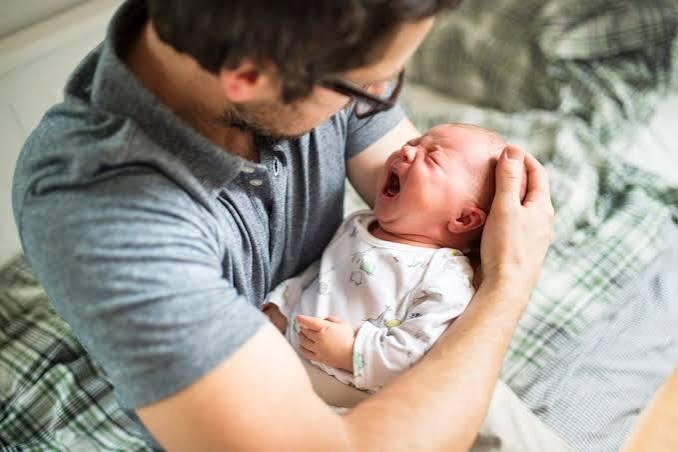
Your baby is not plotting against you. They are communicating the only way they know how. And every time you drag yourself off the couch and respond, something remarkable is happening inside that little head.
The Harvard Center on the Developing Child calls it "serve and return": baby coos, you coo back; they cry, you come. These small, exhausting, spit-up-scented exchanges are literally shaping brain architecture. ZERO TO THREE is unambiguous: responsive caregiving does not spoil babies. It builds them.
You are out here doing neuroscience in your pajamas. You deserve a medal. Or at least a coffee.
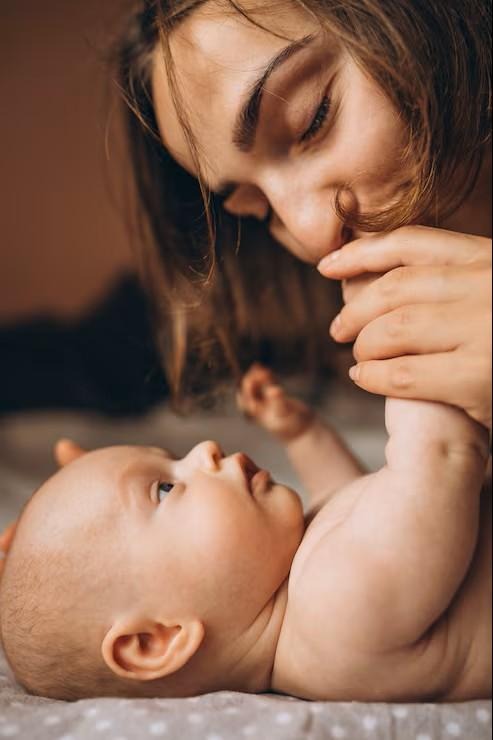
Here is the part nobody tells you at the baby shower: babies cannot self-regulate. Their brains are not wired for it yet. What they need is you: bleary-eyed, coffee in hand, but present.
Neuroscientist Dr. Bruce Perry, in What Happened to You? with Oprah Winfrey, calls this co-regulation. Your calm becomes their calm. Over time, that borrowed peace becomes their own.
Ammar is 22 and thriving today. His brain needed more than most: more holding, more rocking, more "I've got you." Looking back, he told me he always knew how to find his way back to okay. He learned that early. In arms that showed up when he cried.
That is the long game. You are already playing it.
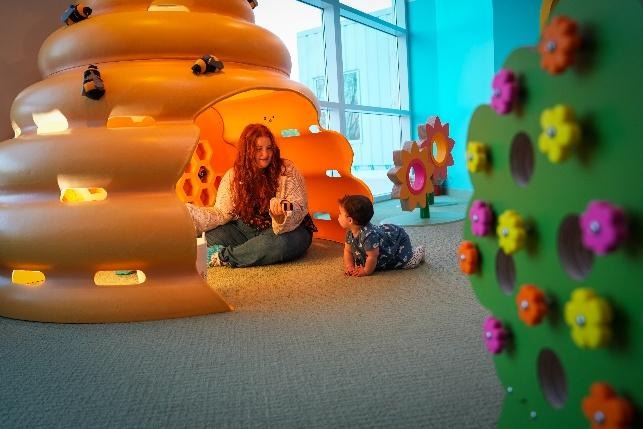
At Children's Museum Houston's Gallery of Wonder, Tot Spot is a soft, sensory-rich space for babies and the tired, wonderful grown-ups who love them. No schedules. No advice from the 1970s. Just you, your baby, and a whole lot of serve and return.
When your little one is ready to build their own self-soothing skills, read Big Feelings, Little Humans: Helping Your Toddler Learn to Self-Soothe. (Spoiler: you still cannot spoil them. We checked.)
More ideas at Early Learners resources and plan your visit here.
Children's Museum Houston | 1500 Binz St, Houston, TX 77004 | A Playground for Your Mind


Sign up for e-news and be the first to know about special events, discounts and more!


.png)