Jul 9, 2026
One minute your toddler is happily playing with blocks. The next, they're in tears because their juice was poured into the blue cup instead of the red one...
Sound familiar?
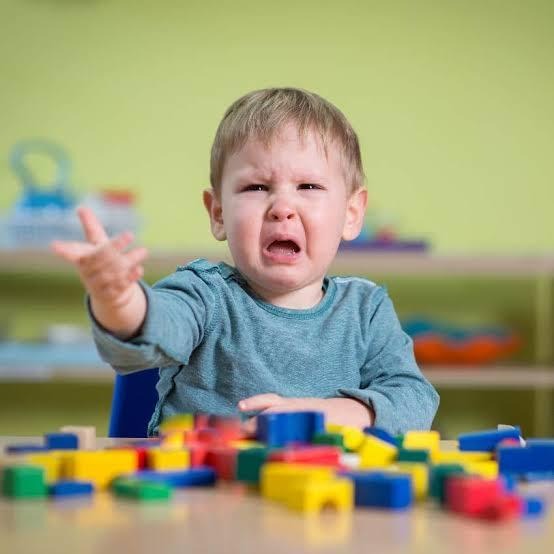
Toddlers experience big emotions because they're still learning how to understand and manage their feelings. That's where self-soothing comes in. Self-soothing is the ability to calm down when feeling frustrated, disappointed, overwhelmed, or upset, and it's a skill that can be taught through practice, patience, and play.
Note: These strategies are especially helpful for children 2 and older. Infants and young toddlers under 18 months first need adults to co-regulate alongside them before they can begin managing big feelings on their own. Read our post on You Cannot Spoil a Baby.
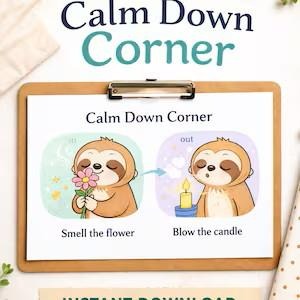
Children who learn to regulate their emotions are better equipped to build friendships, solve problems, handle challenges, and develop confidence as they grow.
Here are a few simple ways to help your toddler develop self-soothing skills:
One of the best places for children to practice these skills is through play. At Children's Museum Houston's Gallery of Wonder, children explore, imagine, problem-solve, and interact with others in an environment designed specifically for ages five and under. Along the way, they naturally practice patience, flexibility, communication, and emotional regulation.
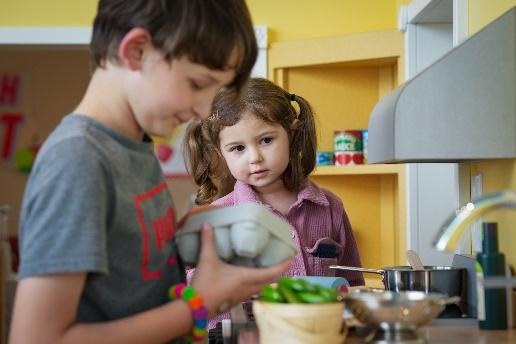
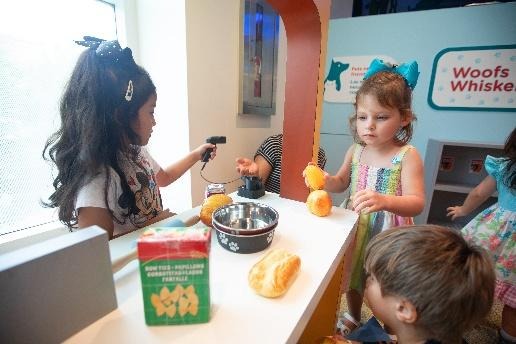
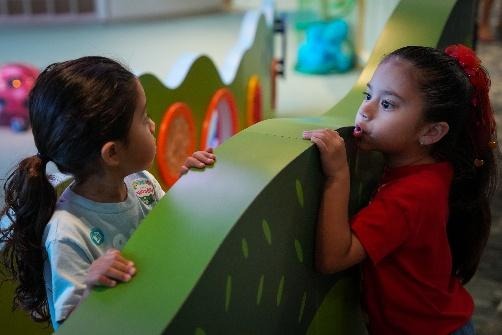
Families can continue building these and other skills at home through Children's Museum Houston's Early Learners resources, which offer playful activities and ideas that support healthy development through everyday interactions.
The goal isn't to prevent big feelings. It's to help children learn that big feelings are manageable. With support, practice, and plenty of opportunities to play, toddlers can develop the emotional tools they'll use for the rest of their lives.
Children's Museum Houston | 1500 Binz St, Houston, TX 77004 | A Playground for Your Mind


Sign up for e-news and be the first to know about special events, discounts and more!


.png)