Jul 9, 2026
Nobody warned you that parenting a preschooler would require a law degree, a poker face, and the patience of someone who has never once been personally offended by a juice cup.
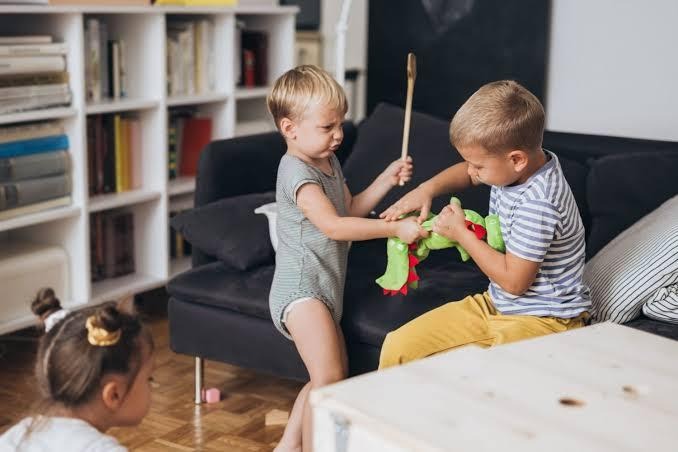
And yet here you are. Refereeing a full courtroom drama over who looked at whom, who had the toy first, and why the sandwich tastes different when it is cut into triangles versus squares. (It just does, apparently. Science cannot explain it.)
Here is the good news: all of this glorious chaos is exactly what it is supposed to look like. Learning to navigate conflict is one of the most important things your preschooler will take into kindergarten. And you, armed with snacks and whatever patience you have left, are their best teacher.
Children who learn to negotiate, collaborate, and bounce back from disappointment before kindergarten show stronger friendships, better problem-solving, and more resilience throughout school. Not because they never have conflict, but because they know what to do when they do.
The goal is not a child who never fights over the red crayon. It is a child who can figure out what comes next when they really, really want it and someone else has it. Or when the cereal comes in the wrong bowl. Or when life is just deeply, cosmically unfair in ways only a four-year-old can fully feel.
When I was teaching preschool overseas, I had a classroom of children from seven different countries and approximately one consensus on anything. What saved us daily was these simple steps, borrowed from the HighScope approach to conflict resolution. Six steps that work whether your child is mid-standoff with a sibling, in full meltdown in the cereal aisle, or just having enormous feelings about something that seems small to you but is very, very real to them.
Step 1: Approach calmly. Your calm is contagious. So is your panic. Breathe first, then crouch down to their level. This works in a classroom, a living room, and yes, aisle seven of the grocery store.
Step 2: Acknowledge feelings before anything else. "You're really upset right now and that makes sense." No fixing yet. No explaining. Just naming. This one step alone can cut the drama in half, and it works whether there is another child involved or it is just your preschooler and their very big feelings.
Step 3: Ask what happened. Not "who started it" and not "why are you acting like this." Just: "Can you tell me what happened?" or "What's going on?" Then listen. The real story is often not what it looks like from the outside.
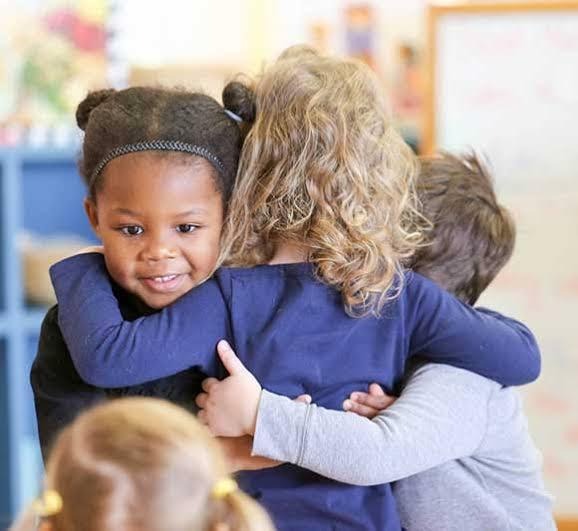
Step 4: Restate the problem simply. "You really wanted that toy and your brother took it. That's the problem." Or: "You wanted the red bowl and we only had the blue one. That felt really unfair." Hearing it said calmly helps little brains shift from meltdown mode into thinking mode.
Step 5: Let them help solve it. Ask: "What can we do about this?" or "What would help you feel better right now?" Then wait: Take turns. Use a timer. Find another bowl. Their solution sticks far better than yours, and they will feel like absolute geniuses for coming up with it.
Step 6: Follow up and celebrate. "You figured that out. That was real problem-solving."
Say it like you mean it, because you do.
***Print our free 6 Steps Fridge Card below and stick it on the fridge, because nobody can remember six steps in the middle of a meltdown.
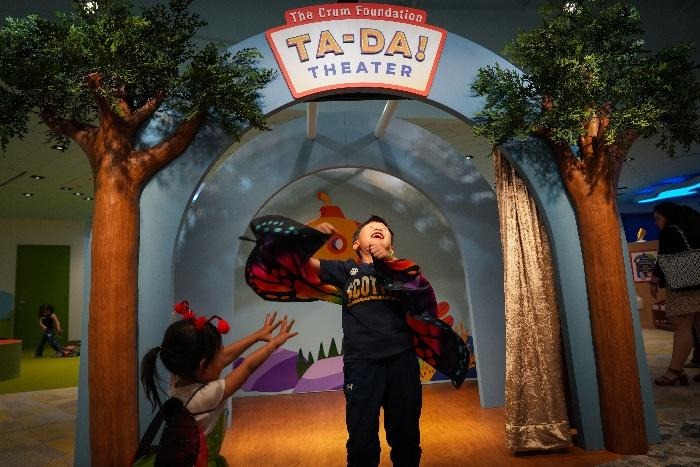
You do not have to engineer conflict for practice. It finds your child all on its own, especially in spaces where children play together.
At Children's Museum Houston's Gallery of Wonder, preschoolers get to practice all of this in real time with real stakes and real other children who also want to be in charge.
In Viva Village, children run the market, staff the pet grooming store, and manage the chores in the little house alongside kids they just met. Negotiations happen naturally, and you can use the six steps above to coach them through without taking over.
In Into the Woods, siblings and new friends figure out how to share the space, take turns, and navigate the joyful chaos of big movement together. Resilience gets built one small disappointment and one brave next attempt at a time.
And when the whole social thing gets to be a bit much, Under the Waves is waiting: a quiet, sensory-rich space where your child can drift away, breathe, and come back ready to try again.
Knowing when you need a moment is its own important skill. (Adults could learn from this too, honestly.)
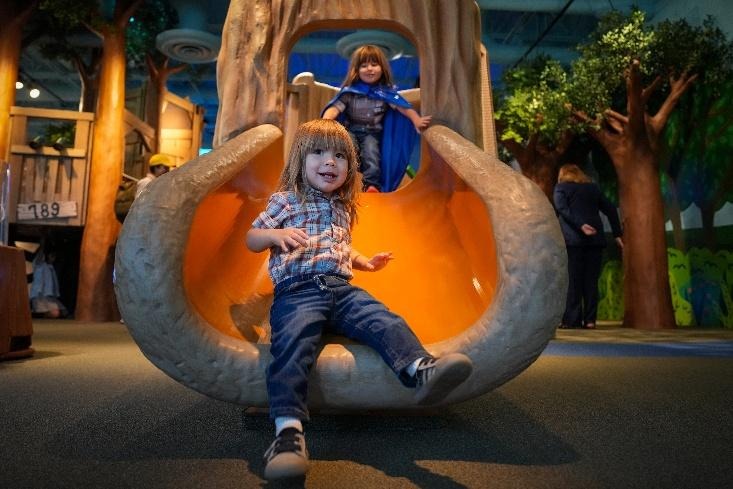
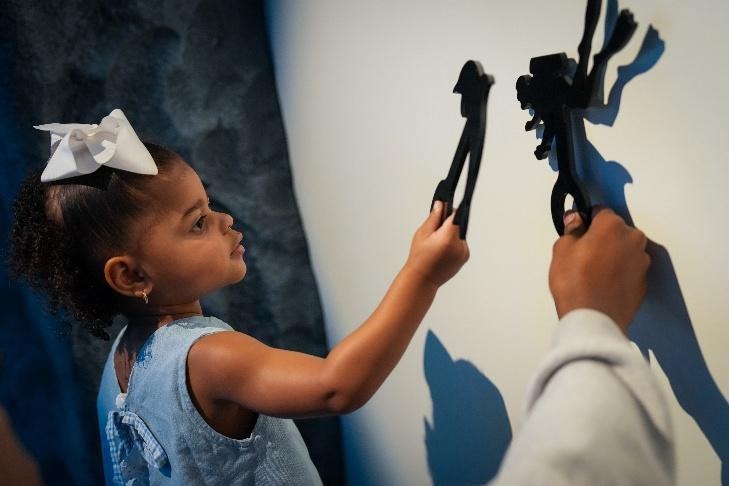
Resilience is not something children are born with. It is built, one small hard moment at a time, with a grown-up nearby who believes they can do it. Even on the days when that grown-up is hiding in the kitchen eating the good snacks.

For more playful ideas by age, visit Children's Museum Houston's Early Learners resources. And if you missed our earlier blogs, read Big Feelings, Little Humans for toddler tips and You Cannot Spoil a Baby for our infant guide.
Plan your visit to Gallery of Wonder.
Children's Museum Houston | 1500 Binz St, Houston, TX 77004 | A Playground for Your Mind


Sign up for e-news and be the first to know about special events, discounts and more!


.png)