Discover our newest exhibit, Faithful Friends, with fun and engaging programming that inspire children to ask questions and learn about the diverse world of faith, beliefs, culture, and friendship!
Activities, events and times subject to change.
A dynamic space for hands-on activities, storytelling, and cultural programming, the Kaleidoscope Colloquiums in the Kaleidoscope Room invite you to engage in crafts, games, and rotating interactive experiences inspired by global traditions. Designed to spark curiosity and creativity, these workshops will host community partners, artists, and educators who bring beliefs, faith-based and cultural storytelling to life. Families can explore a diverse collection of books and resources that encourage conversations about friendship, respect, and understanding.
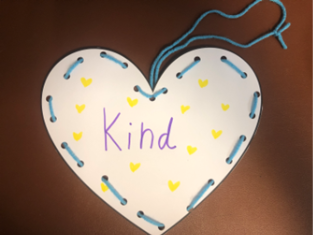
Valuable Word: Come make a paper heart decoration that illustrates something important about your caring identity. This activity encourages kids to think about their loved ones as well as positive actions that put love and connection into the world. Kids can think about someone they care about and what that individual does to make them feel good. Alternatively, kids can also think about their own identity and characteristics. This activity is vague enough that it allows for creativity and self-expression through words and drawings.
When: October 1st – 31st All Day in Kaleidoscope
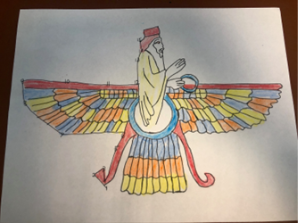
Parts of the Farohar: The Farohar, or Faravahar, is the symbol of the Zoroastrian religion. This image represents the link between the spiritual and physical worlds through symbolic visuals. For example, the human head represents the importance of free will and the 3 sections of the tale connect to the Zoroastrian motto of “good thoughts, good words, good deeds”.
When: October 1st – 9th All Day in Kaleidoscope
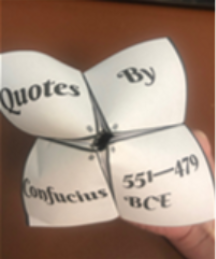
Confucious Cootie Catcher: We are celebrating Confucius’s Birthday by making a Cootie Catcher with some of his famous quotes. Confucius was an incredibly influential Chinese philosopher and teacher. His teachings on morality, communal respect, ancestor worship, devotion to family, the importance of education and the role of social class helped form the philosophy/religion of Confucianism as well as influenced Chinese and East Asian cultures.
When: September 29th – October 9th All Day in Kaleidoscope
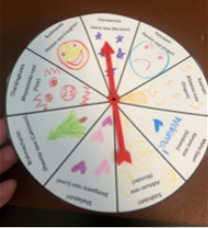
Emotions Spinner: Navaratri Is an important Hindu festival that celebrates the warrior-goddess Durga. Durga is very powerful and takes many different forms including nine special ones called the Nava Durga. The Navaratri holiday celebrates these nine forms of the goddess over a nine-day celebration. The Nava Durga represent different qualities of the goddess and different emotions for instance Brahmacharini (Calmness) and Kushmanda (Laughter). To celebrate Navaratri you can make a spinner with the nine Nava Durga and practice acting out the different emotions!
When: October 10th – 17th All Day in Kaleidoscope
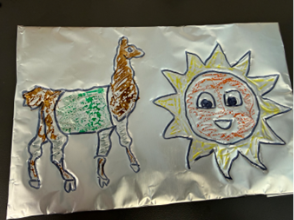
Peruvian Hojalata: Come celebrate Hispanic Heritage Month by making Peruvian Hojalata art! Hojalata is the Spanish tern for tin or thin sheet metal. This metal has been used in Peru for decorative and artistic purposes for centuries. In Peruvian folk art, artisans transform metal sheets into colorful, intricate pieces of art that often depicting religious images, daily life, animals and scenes from Peruvian culture and mythology.
When: October 10th – 17th All Day in Kaleidoscope
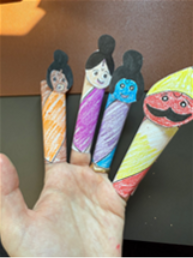
Ramayana Finger Puppets: You can make finger puppets of the individuals from the Epic of Ramayana to celebrate the Hindu holiday of Dussehra! This festival celebrates the triumph of good over evil as illustrated in the tale of Lord Rama’s victory over the evil Ravana. This story is told in the Epic of Ramayana and tells how Sita, Lord Rama’s wife, was kidnapped by Ravana who refused to return her. Lord Rama and his friend Hanuman rescue Sita and this victory is celebrated yearly during Dussehra.
When: October 18th – 27th All Day in Kaleidoscope
Khanda Mosaics: Let’s make Khanda Mosaics to honor the Sikh holiday of the Instillation of the Sri Guru Granth Sahib Ji. This holiday marks the moment when the spiritual leadership (the Guruship) was moved to the Granth Sahib. The Granth Sahib is the sacred scripture of the Sikh faith tradition and represents an eternal source of leadership. These mosaics highlight the Khanda, the principle symbol of Sikhism.
When: October 18th – 29th All Day in Kaleidoscope
Papel Picado: We are making Papel Picado decorations to celebrate Día de los Muertos! The “Day of the Dead” is an important Mexican cultural holiday that is centered around honoring deceased loved ones. Celebrations include adding offerings to Ofrendas, dancing and playing music. Papel Picado, a popular decoration for Día de los Muertos, is a traditional folk art made by cutting elaborate designs in this paper banners.
When: October 28th – November 4th
Rice Maracas: We are making Rice Maracas decorations to celebrate Día de los Muertos! The “Day of the Dead” is an important Mexican cultural holiday that is centered around honoring deceased loved ones. Celebrations include adding offerings to Ofrendas, dancing and playing music with instruments such as guitars, trumpets and maracas.
When: October 30th – November 4th
Kaleidoscope Room inside Faithful Friends


Supported by a grant from Lilly Endowment Inc.


Sign up for e-news and be the first to know about special events, discounts and more!


.png)